High Blood Pressure (Hypertension)

Successfully diagnose and treat High Blood Pressure with a personalized, root-cause approach.

Addressing High Blood Pressure

High blood pressure, also known as hypertension, describes a condition wherein your heart is consistently working harder to circulate your blood. There are several mechanisms that can contribute to hypertension.
Hypertension can develop when your red blood cells, minerals, fats, and proteins in your bloodstream begin to precipitate. This precipitation gives your blood a higher-viscosity, sludge-like consistency, making it harder for your blood to travel through your body, especially the smallest vessels, or capillaries.
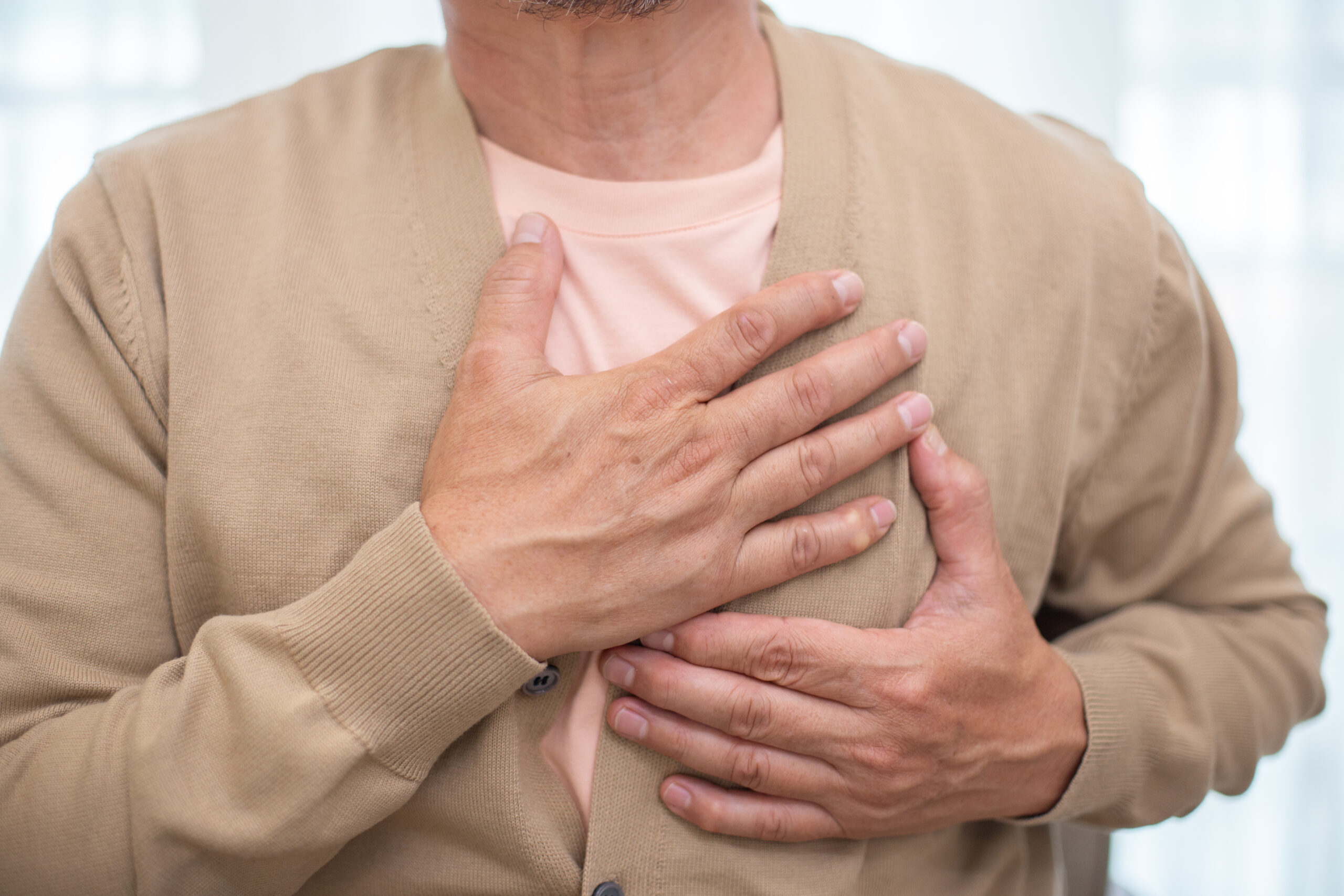
High Blood Pressure (Hypertension), image of a man, wearing a tan cardigan sweater and a pink undershirt, grasps his chest with both of his hands.
Another mechanism leading to hypertension is excessive sympathetic nervous system activity, also known as the “fight or flight response” that can cause your blood vessels to be in an overly constricted state.
Yet another mechanism leading to hypertension may be the result of endothelial dysfunction where the lining of your blood vessels fails to respond to signalling molecules in your bloodstream that stimulate vasodilation. This endothelial dysfunction may be the consequence of excessive oxidative stress, inflammation and lack of essential vitamins and minerals.
All of the aforementioned mechanisms leading to your hypertensive state, can be the consequence of the cumulative effects of various lifestyle and genetic factors. These factors include your diet, sleep habits, body weight, activity levels, stress levels, stealth infections and exposure to environmental toxins.
Left unaddressed, these lifestyle habits can significantly affect your quality of life and lead to serious health problems, including hypertension.

Diagnosing high blood pressure is quite simple, however, getting to the root causes and addressing them, can be challenging. Conventional medical practices often rely heavily on prescription medications to reduce your blood pressure, without identifying or correcting the imbalances that caused your hypertension in the first place. At Michael Rothman MD, we use a functional and metabolic medicine approach to identify and address the true causes of your high blood pressure. Many factors may contribute—mineral dysregulation, acid-alkaline imbalance, autonomic dysfunction, anabolic-catabolic imbalances (Revici), systemic dehydration, or hidden environmental toxins like mold, stealth organisms and toxic metals. We tailor your treatment to your body’s specific needs. Our methods and approach will not only reduce your blood pressure, but will restore your body’s natural metabolic balance that supports your long-term cardiovascular health.


Ready to Take Control of Your Health?

If you are experiencing symptoms of high blood pressure and are seeking effective, metabolically directed treatments, contact us online or call (732) 268-7663 for a consultation.

What are the Symptoms of High Blood Pressure?

Often called “the silent killer,” high blood pressure can develop gradually over time without producing any noticeable symptoms. For many people, it’s only discovered during routine checkups or after complications arise. But when symptoms do occur, they may indicate that your body is under significant internal stress.
The symptoms of high blood pressure can vary, but some of the most common include:
  • Headaches: Persistent or severe headaches, particularly those occurring in the morning or back of the head.
  • Dizziness: Feeling light-headed or unsteady, which may worsen with sudden movements.
  • Shortness of Breath: Difficulty breathing, especially during physical activity or when lying flat.
  • Chest Pain: Discomfort or pressure in your chest that may be mistaken for heartburn or indigestion.
  • Fatigue: Unusual tiredness that persists despite adequate rest.
  • Vision Problems: Blurred vision, seeing spots, or temporary vision loss.
  • Nosebleeds: Spontaneous bleeding from your nose without apparent cause.
  • Heart Palpitations: Awareness of your heartbeat, often as a pounding, fluttering, or irregular rhythm.
  • Flushing: Redness in your face and neck area, sometimes accompanied by a feeling of warmth.
  • Sleep Problems: Difficulty sleeping, including sleep apnea and restless sleep.
Due to its often asymptomatic nature and potential for serious complications including damage to many of your body’s systems, it is essential to consult a knowledgeable doctor for proper diagnosis and treatment. A holistic, metabolically directed treatment approach can help restore your cardiovascular health, alleviate symptoms, and improve your overall well-being.
High Blood Pressure (Hypertension), image of a male doctor placing a blood pressure cuff over a male patient’s left arm.

Our Functional and Metabolic Medicine Approach to High Blood Pressure

At Michael Rothman MD, we understand the significant impact that metabolic imbalances have on your cardiovascular health and overall well-being. Our approach to treating high blood pressure involves a comprehensive, metabolically directed method to identify and address the root causes of your symptoms, such as colloidal instability. autonomic dysfunction, endothelial dysfunction, metabolic imbalances, stealth organisms dysbiosis and environmental toxins.

Diagnostic Methods Used:

Potential Treatment Options:

Why Choose Functional and Metabolic Medicine for High Blood Pressure?

Most conventional approaches to high blood pressure treatment focus primarily on managing symptoms through medication, often failing to identify the root factors contributing to your high blood pressure, such as endothelial dysfunction, colloidal instability, oxidative stress, stealth infections, dysbiosis, nutritional deficiencies and autonomic and metabolic imbalances.
The pharmaceutical, symptom-focused approach may lower your blood pressure, but won’t resolve the fundamental issues causing the condition. These unchecked root causes will eventually lead to an overall decline in your health.
High Blood Pressure (Hypertension), image of a middle-aged woman, wearing a gray zip-up hoodie, a baseball hat and white headphones around her neck, opens the top of a filled water bottle.
Our approach is designed to not only manage your high blood pressure but also to resolve its underlying causes for sustainable, long-term health improvement.

Ready to Take Control of Your Health?

If you are experiencing symptoms of high blood pressure and are seeking effective, metabolically directed treatments, contact us online or call (732) 268-7663 for a consultation.

Meet Dr. Michael Rothman:
Holistic Health and Metabolic
Medicine Expert

Dr. Michael Rothman is a Functional and Metabolic Medicine Specialist with over two decades of holistic practice. Drawing on his personal experience with Crohn’s disease, he is passionate about utilizing metabolically directed functional medicine to address complex health conditions, like high blood pressure. Dr. Rothman’s comprehensive method considers dietary habits, genetic predispositions, and environmental factors to identify and treat the metabolic imbalances at the root of health issues.

Certified by the National Board of Medical Examiners and the New Jersey State Board of Medical Examiners, he also holds board certifications in Internal Medicine and previously in Emergency Medicine. His unique approach integrates knowledge from nutrition, biochemistry, physiology, and physics, alongside extensive training in environmental illness, medical acupuncture, naturopathy, Reiki, qigong, and oriental martial arts. Patients can expect a thorough, individualized approach aimed at restoring and maintaining lasting well-being.


High Blood Pressure (Hypertension), image of Dr. Michael Rothman wearing a black stethoscope around his neck over a white button down shirt.

Frequently Asked Questions

When should I see a doctor about my blood pressure?
You should consult a doctor if your blood pressure readings consistently exceed 140/90 mmHg—even if you feel fine. High blood pressure often develops without noticeable symptoms, earning its reputation as “the silent killer.” If you experience severe headaches, chest discomfort, shortness of breath, visual disturbances, or dizziness, seek medical attention immediately, as these symptoms may indicate dangerously elevated blood pressure. Routine screenings are especially important if you have a family history of hypertension, lead a sedentary lifestyle, or have dietary and metabolic risk factors.
What are the side effects of blood pressure medication?
Side effects of blood pressure medication are variable, but may include fatigue, dizziness, frequent urination, swollen ankles, digestive upset, and sexual dysfunction. Long-term use may also lead to metabolic disturbances, such as altered blood sugar or cholesterol levels, and in some cases, reduced kidney function. Relying on medication alone, without addressing the underlying imbalances, can result in the need for an increasing number of drugs and dosages over time.
How often should I check my blood pressure?
The ideal frequency for monitoring your blood pressure depends on your personal health status. If you’ve been diagnosed with high blood pressure, daily monitoring—preferably at the same time each day—can provide insights into your body’s response to treatment. If your readings are borderline or occasionally elevated, checking 2–3 times per week may be appropriate. For individuals with consistently normal readings, monthly monitoring may be sufficient. For accurate results, measure your blood pressure after sitting quietly for five minutes, with your arm supported at heart level and your feet flat on the floor. Keep a written record of your readings, including the time, date, and any relevant context to share during your evaluation.
Is high blood pressure genetic?
While genetics can play a role in your development of high blood pressure, they are only a small part of the picture. Lifestyle and environmental factors, including diet, stress, physical activity, hydration, and toxin exposure, have a much greater influence on your health and blood pressure.
What are the risks of having high blood pressure?
If left untreated, high blood pressure can contribute to a wide range of serious health conditions. Elevated pressure damages your arteries, increasing your risk for heart attack, heart failure, stroke, and aneurysm. Hypertension can also impair your kidney function, leading to chronic kidney disease, and affect your brain, contributing to cognitive decline and vascular dementia. High blood pressure may also lead to vision problems and sexual dysfunction. Over time, these complications can impact many of your body’s systems. That’s why addressing the root causes of your high blood pressure, not just the numbers, is critical.
Conditions We Treat

Conditions list

High Blood Pressure
Treatment for High Blood Pressure Most treatment for high blood pressure is noble in its intent. High blood pressure is linked to heart disease and strokes, so doctors feel a sense of urgency in diagnosing the ailment and immediately prescribing the proper treatment. But the medicine doesn’t usually identify the underlying cause of high blood pressure, nor change the factors that contributed to it. So over a long period of time, and without a correction of those factors, the treatments for high blood pressure can become as dangerous as the disorder itself and still lead to serious issues. Dr. Michael Rothman and his staff at Michael Rothman MD understand how important it is to lower high blood pressure naturally as well as how vital it is to provide a detailed description of high blood pressure so that patients realize that unconventional treatment for high blood pressure doesn’t work. High blood pressure happens when the red blood cells, minerals, fats and proteins in the blood begin to precipitate and form sludge. At this point, patients begin developing high blood pressure because the heart must work harder to pump the blood because the sludge cannot flow into the capillaries. And while medication addresses this problem, it does not solve it. Michael Rothman MD provides a responsible treatment for high blood pressure that improves a patient’s health while lessening his or her reliance on medication. We’ll identify the cause of the high blood pressure, whether it is a common diagnosis such as obesity, genetics, bad diet, electrolyte stress or something that often goes untreated such as wrong minerals, PH imbalances and a lack of water in the bloodstream. Lower High Blood Pressure Naturally To lower high blood pressure naturally involves avoiding ALL exposure to aluminum, which includes cutting out all canned foods, beverages and cookware as well as no longer consuming or using commercial table salt, commercial baking powder, antacids and deodorants. Our treatment for high blood pressure will also optimize the nutrition of a patient. In order to achieve a metabolic balance and healthy weight, limiting mineral intake and emphasizing the consumption of large amounts of spring water first thing every morning so that kidneys can flush out some of the minerals that have accumulated, are necessary first steps. At Michael Rothman MD, our philosophy is in our name, which stands for “metabolically directed wellness.” We believe that all chronic ailments such as high blood pressure are related to an imbalance in the system, but too many doctors try to treat the ailment without finding what is causing it in the first place. We believe in “find the cause, fix the cause” in hopes of giving our patients a better quality of life moving forward. To learn more about Michael Rothman MD, our treatment for high blood pressure and how we can help lower high blood pressure naturally, contact us today by giving us a call at (732) 268-7663 or emailing us at Info@MichaelRothmanMD.com.
book cover image

Wait! Get our FREE download and Learn to Transform Your Health from the Inside Out.

Subscribe to get “The Edibolic Diet” an excerpt from Dr. Michael Rothman’s book Edibolic Stress.

“Dr. Rothman’s research confirmed what I already suspected was the big lie about fat and cholesterol purported by so-called experts. If you want the truth, read this book. The recipes are fabulous!” – Diane W.

We hate spam as much as you do and will keep your information private. 

book cover image
Arrow image for lead magnet

Wait! Before you go, subscribe to receive our FREE download of “The Edibolic Diet" an excerpt from my book, Edibolic Stress.

We hate spam as much as you do and will keep your information private.

Michael Rothman MD
Privacy Overview

This website uses cookies so that we can provide you with the best user experience possible. Cookie information is stored in your browser and performs functions such as recognising you when you return to our website and helping our team to understand which sections of the website you find most interesting and useful.